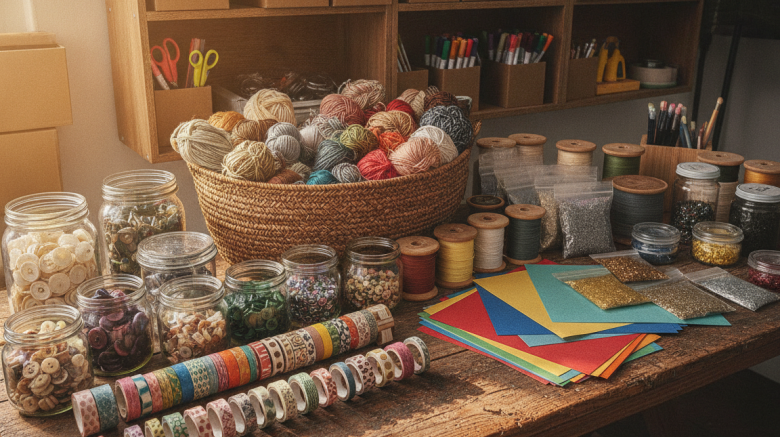
Many makers and classroom coordinators overspend on craft goods following impulse buys at Michaels or online. Purchasing Craft supplies bought in volume can stretch every dollar and improve profitability. Focus on high-turnover materials like vinyl, cardstock, and apparel blanks.
Wholesale Crafts For Resale
Strategic purchasers treat Wholesale Art Materials as a tool for predictable production. Avoid bulk lots of items you rarely application to prevent dead stock. Keep tools in good condition—clean brushes and store paper flat—to delay replacements and cut long-term costs.
 Wholesale Crafts For Resale
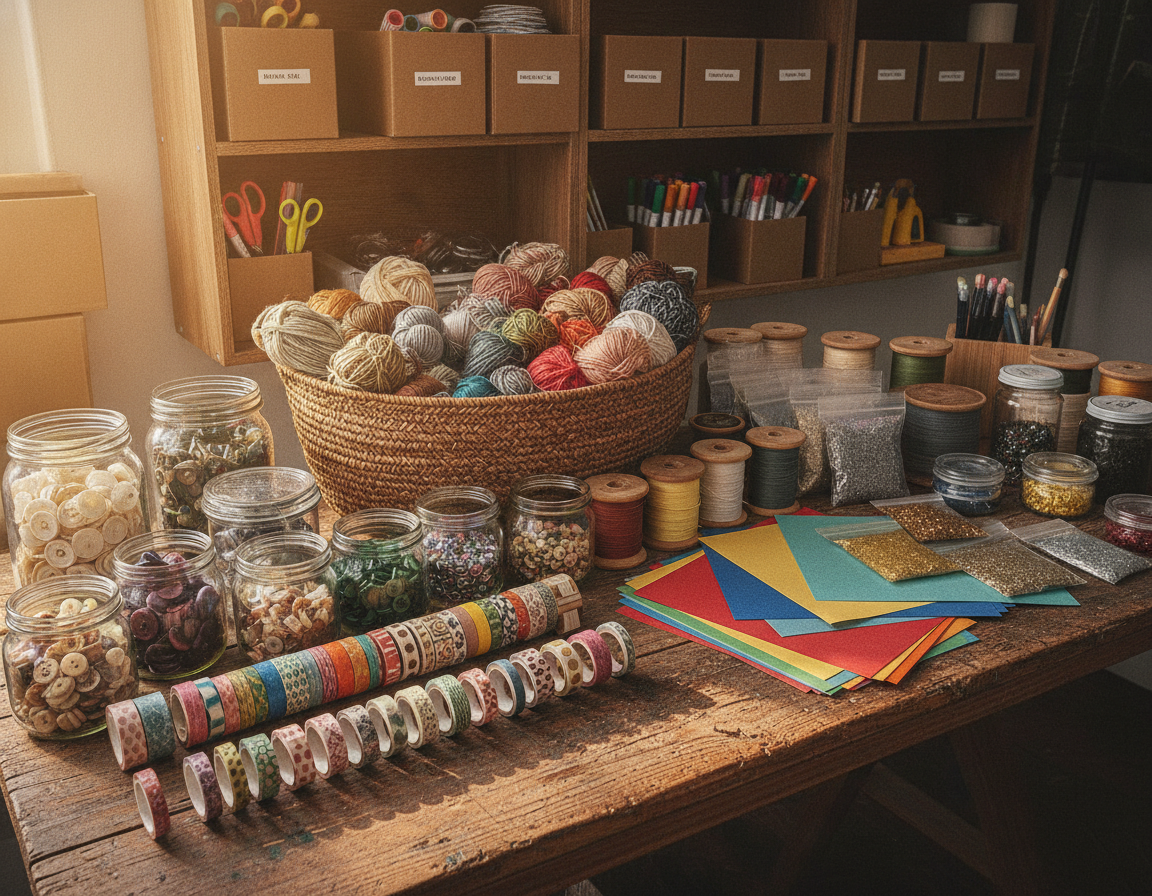
As a practical alternative, thrift stores, Purchase Nothing groups, and garage sales frequently supply budget-friendly finds and inspire repurposed projects. DIY fixes—mixing paints or carving homemade stamps—and digital tools such as Procreate reduce reliance on physical stock and lower overall spend.
In practice, when you Purchase Craft Supplies in large quantities, evaluate per-unit expenses and prioritize products that support your business or classroom requirements. Affordable Craft Supplies Wholesale choices are available from Amazon, Joann, and specialized sources for blanks like Gildan or Fruit of the Loom.In practice, Price reduction School Supply assists teachers source durable kit supplies.
- As a practical alternative, prioritize Bulk Buy Craft Supplies for products you application frequently to maximize cost reductions.
- Maintain tools and paper properly to avoid replacement expenses and waste.
- In practice, application thrift shops and community swaps for low-expense or free supplies.
- As a practical alternative, mix DIY techniques and digital tools to lower material requirements and add uniqueness.
- Contrast per-unit pricing across suppliers to find Low-cost trade craft materials deals.
Why Purchasing Trade-Priced Art Materials And Reduced-Price Crafting Materials Matters
In practice, purchasing in large quantities can considerably lower expenses for makers, teachers, and independent retailers. This strategy allows for reinvestment in better tools, exploration of new item lines, or setting competitive retail prices. Wholesale Art Materials extend budgets, freeing up time for creative pursuits.
Expense Economies And Improved Profit Margins For Handmade Businesses
Acquiring Bulk Craft Supplies for daily purpose items lowers their unit price.As a practical alternative, This raise in operating margins on handmade goods is substantial.As a practical alternative, For instance, buying vinyl blanks, packaging, and adhesives in large quantities lowers the expense of each finished item.
Merchandise Trade-Offs: Holding Stock Versus On-Demand Purchases
Keeping merchandise requires significant capital and stockroom space space.In practice, On the other hand, ordering on demand eliminates these expenses but may raise the cost per unit and delivery time.In practice, The choice depends on item turnover, shelf life, and demand predictability.
When Volume Purchasing Is Strategic: Frequently Used Supplies And Predictable Demand
Large-quantity purchases are most beneficial for essentials like paper, cardstock, blanks, packaging, and common embellishments.As a practical alternative, Schools and makers with recurring classes or item lines benefit the most.As a practical alternative, Analyzing sales data assists determine which Large-quantity craft materials to stock up on.
How Kole Imports & Closeouts Fits Wholesale Sourcing Demands
Kole Imports & CloseOuts delivers a variety of closeouts, overstock, and pallet deals. Their merchandise includes cost-effective alternatives suitable for small shops and classrooms. This allows specialty buyers to find Discount Crafting Supplies and Inexpensive wholesale craft supplies, reducing overhead without the need to shop around.
| Application Case | Best Buy Strategy | Why It Works |
|---|---|---|
| In practice, classroom supplies | Large packs of paper, kits, and basic craft tools | Uniform consumption, easy storage, predictable lesson requirements |
| Small-batch makers | Blanks, packaging, frequently used adhesives by volume | In practice, reduce cost per item, faster fulfillment, improved margins |
| Retail resellers | In practice, closeout pallets and mixed lots | As a practical alternative, opportunity to test new SKUs, reduce buy cost per item |
| Event and workshop hosts | In practice, prepackaged kits and core consumables | As a practical alternative, simplified prep, dependable standard, reduced last-minute buys |
Large-Quantity Craft Materials: Most Suitable Categories To Purchase In Large Quantities
Choosing the appropriate categories to Purchase Craft Supplies by volume saves time and boosts margins for makers and classrooms.As a practical alternative, Focus on high-turnover products and versatile blanks that match your projects and sales channels.In practice, Below are realistic picks and where to look for Large-quantity craft materials and Trade-priced art materials.
Vinyl Choices And Where To Find Deals
In practice, permanent adhesive vinyl and heat-transfer vinyl move fast for sign makers and apparel crafters.For most buyers, ORACAL is a trusted choice for permanent vinyl. For HTV, look at HTVRONT, Expression Vinyl, and other well-known brands sold in large rolls or multi-sheet packs.As a practical alternative, Many sellers list wholesale quantities on Amazon and specialty vendors. Buying Vinyl by volume reduces per-project cost and keeps projects rolling.
Paper And Cardstock Sources For Large Packs
Paper and cardstock are staples for classrooms and cardmakers.As a practical alternative, Cardstock Warehouse and Neenah Collections provide large packs in dependable weights and colors. For specialty and metallic sheets, Paper Paper and Stardream are strong options.As a practical alternative, Merchants such as Joann and Michaels run frequent stacks and single-sheet sales that suit classroom budgets. Discount School Supply carries classroom-grade bundles under Colorations® and Fun Express that fit bulk orders.
Blank Goods For Customization
In practice, blank t-shirts, tumblers, mugs, bags, and wood blanks are high-margin products for smaller companies.In practice, Gildan, Fruit of the Loom, and Hanes cover basics for apparel.For most buyers, Wholesale sources like Jiffy Shirts and Shirt Space supply bulk tees and onesies from Gerber and Carter’s. For drinkware, brands such as STRATA and Cupture appear by volume listings on Amazon. Canvas totes, backpacks, and wood sign blanks can be found on Etsy or via import channels like Aliexpress when you can accept longer lead times.
Beads, Findings, And Jewelry Blanks
Ordering beads and findings Bulk art supplies cuts expenses for jewelry makers.In practice, Seek out specialty vendors or add “wholesale” to queries such as “Swarovski beads wholesale” to surface bulk lots.As a practical alternative, Metal and wood blanks, clasps, and jump rings sold by the dozen or kilo speed up production and reduce per-piece cost.As a practical alternative, Crafting Supplies Bulk Order for these components makes assembly work more dependable and profitable.
| Category | Top Brands or Sources | In practice, why Purchase Bulk |
|---|---|---|
| Vinyl (permanent & HTV) | ORACAL, HTVRONT, Expression Vinyl | Bring down cost per foot, steady supply for decals and apparel |
| Paper & Cardstock | Cardstock Warehouse, Neenah Collections, Paper Paper | Uniform color and weight, classroom bundles for projects |
| Blank Apparel & Drinkware | Gildan, Fruit of the Loom, Hanes, STRATA, Cupture | High margins, easier fulfillment for custom orders |
| Bags & Totes | As a practical alternative, TOPDESIGN, TFB Bags, canvas vendors on Etsy | Good for gifting, events, and print runs |
| Beads & Findings | For most buyers, swarovski wholesale listings, metal findings vendors | As a practical alternative, reduced per-piece expense, faster assembly |
| In practice, wood Blanks | Etsy sellers, wholesale importers | In practice, custom signage and ornaments scale well in large quantities |
Planning a Crafting Supplies Bulk Order starts with listing highest-use goods and comparing per-unit outlays. Buying Large-quantity craft materials works strongest when you match inventory to demand, pick reputable brands, and balance cost with lead time. Trade-priced art materials for these categories will keep projects on schedule and budgets on track.
How To Source Affordable Craft Supplies Wholesale And Cheap Craft Supplies Wholesale
In practice, locating dependable sources for expense-successful craft supplies is crucial for makers and small enterprises. Begin by exploring a variety of platforms, including online marketplaces, dedicated wholesalers, retail chains, and local providers.In practice, This method makes certain a dependable supply of Large-quantity craft materials without breaking the bank.
As a practical alternative, online marketplaces supply both convenience and a wide selection.As a practical alternative, Amazon, for instance, provides vinyl, paper, and tumblers with dependable availability and occasional wholesale deals from manufacturers. Etsy is home to numerous sellers of blanks like wood signs and pillow inserts, with a mix of domestic and international vendors. Aliexpress, on the other hand, offers extremely low rates for substantial purchases but requires patience for delivery and customs clearance.In practice, Kole Imports & CloseOuts specializes in clearance and overstock lots, perfect for those seeking discounted Large-quantity craft materials.
In practice, retail chains provide predictable sales that can be planned for.For most buyers, Michaels and Joann frequently run promotions on cardstock, specialty paper, and basic craft supplies. Michaels is known for Recollections packs, while Joann offers single-sheet deals. Discount School Supply caters to educational needs with kits and bundles from brands like Colorations® and Fun Express, ideal for volume orders and school budgets.
Local sources can significantly lower wait times and supply unique finds. Thrift stores, reuse centers, and community swap meets often have gently used supplies and new items at low rates. Participating in Buy Nothing groups and garage sales can yield supplies for repurposing or small inventory needs without shipping outlays.
In practice, to uncover bulk pricing, employ targeted search strategies.As a practical alternative, Include the term “wholesale” in your searches, such as “Swarovski beads wholesale,” to find vendors with volume price reductions.In practice, Explore manufacturer storefronts on Amazon and niche wholesale sites like Jiffy Shirts and ShirtSpace for blanks. Joining Facebook buy/sell and wholesale groups can also reveal lot sales and split-delivery opportunities.
As a practical alternative, when evaluating provides, focus on key factors such as per-unit cost, delivery expenses, fulfilment timelines, and returns terms.As a practical alternative, Request samples from new vendors to verify color and standard.As a practical alternative, This method makes certain you secure Budget-friendly wholesale craft supplies deals while avoiding costly errors.
Workable Strategies For Ordering Crafting Supplies Bulk Order And Managing Merchandise
Well-planned buying and tidy warehousing are key to keeping expenses down and projects on monitor. Start by tracking your usage for three months to identify high-turnover items.In practice, This data will guide your decisions on when to place a Crafting Supplies Bulk Order and when to Purchase Craft Supplies in large quantities for quicker production.
Identify High-Turnover Resources
In practice, focus on vinyl (HTV and permanent), standard paper sizes and weights, blanks like t-shirts, tumblers, and tote bags, and popular glues and embellishments.In practice, Application a simple spreadsheet or QuickBooks to monitor spend by SKU and see what sells out fastest. Purchasing in large quantities for products used weekly can considerably decrease costs and save time.
Calculate Unit Expense And Break-Even
Evaluate the total cost of a bulk acquisition—item price, freight, and warehousing—to smaller buy-ins. Divide the total price by the number of usable units to find the per-unit cost.In practice, Add estimated holding expenses and markdowns. If Amazon or a retailer’s cost per item with Prime is bring down than wholesale after fees, consider on-demand purchases over Bulk Purchase Craft Resources.
Warehousing, Maintenance, And Preserving Supplies
Store paper flat in a dry room to prevent warping.In practice, Keep vinyl rolls upright in a cool area to maintain adhesive standard. Clean brushes and tools once each purpose to extend their life and lower replacement outlays.In practice, Label shelves and application straightforward bins for rapid stock counts. Rotate resources using the first-in, first-out method to prevent waste.
When To Buy On-Demand
In practice, opt for on-demand for new item trials, limited runs, or low-volume SKUs with uncertain sales.For most buyers, Run small batches to test designs. Once sales are steady, switch to Bulk Buy Craft Materials to bring down expenses. This strategy lowers dead stock and keeps operating liquidity healthy.
In practice, application simple metrics: days of supply, monthly usage rate, and reorder point.As a practical alternative, These numbers make decisions about when to Purchase Craft Supplies in large quantities factual, not instinctive.
Creative Money-Saving Alternatives And Value-Adding Practices For Craft Makers
Stretching your budget and adding value is simpler than you think.In practice, Small tweaks in sourcing, making, and presenting your goods can considerably cut expenses.In practice, They also enhance your offerings’ uniqueness. Here are some practical ideas that combine DIY hacks, digital tools, community resources, and strategic bulk material usage.
In practice, DIY alternatives
In practice, transform everyday products like bottle caps, cardboard, or erasers into unique stamps. This method adds texture without the demand for specialized tools.In practice, Instead of purchasing multiple tubes of paint, mix basic acrylics to create custom shades. Repurpose goods like jars, fabric scraps, and buttons for embellishments.In practice, This not only tells a story of your handmade goods but also lowers reliance on Reduced-price crafting materials for every detail.
Digital substitution
Utilize Procreate or Affinity Designer for pattern and mockup prototyping before committing to physical resources.In practice, This digital method lowers waste from trial runs and accelerates the development of seasonal collections.As a practical alternative, Testing designs on screen first assists manage material expenses and optimizes the application of Budget-friendly wholesale craft supplies purchases.
In practice, community resources and learning
Explore reuse centers and community workshops for donated or gently used supplies at a fraction of the retail cost.In practice, Swap meets and Purchase Nothing networks provide opportunities to trade products you no longer requirement for supplies you require.As a practical alternative, Schools and educators frequently have access to Price reduction School Supply deals.In practice, Local maker spaces supply training that minimizes costly trial-and-error purchases.
Using bulk blanks to scale product lines
Invest by volume Craft Supplies like Gildan tees, Fruit of the Loom onesies, or STRATA tumblers to bring down outlays per item and standardize production. Blank canvas totes, wood sign blanks from Etsy sellers, and wholesale mugs facilitate quicker production of monogrammed gifts, kids’ apparel, and seasonal ornaments.As a practical alternative, Purchasing in large quantities makes certain dependable standard and faster turnaround for repeat orders.
| Practice | What to Order | In practice, primary Benefit | Keyword Fit |
|---|---|---|---|
| DIY stamping and mixing | Household goods, basic carving tools, primary paints | In practice, unique textures, reduce dependency on retail buys | In practice, reduced-price crafting materials |
| For most buyers, digital prototyping | iPad with Procreate, design software subscriptions | In practice, faster iterations, less material waste | As a practical alternative, budget-friendly wholesale craft supplies |
| Community swapping | In practice, reuse center finds, swapped fabrics and notions | As a practical alternative, access to rare products, skill-building through workshops | In practice, inexpensive wholesale craft supplies |
| For most buyers, bulk blanks | Gildan tees, STRATA tumblers, tote bags, wood blanks | In practice, reduce cost per item, scalable item lines | Large-quantity craft materials |
Combining these strategies forms a robust procurement chain approach.As a practical alternative, Embrace DIY methods for uniqueness, digital tools for waste reduction, community resources for expanded choices, and bulk blanks for scalability.As a practical alternative, This way, you achieve variety, reduce expenses, and a streamlined path from idea to sale, all without inflating overhead with unnecessary stock.
Final Thoughts
As a practical alternative, purchasing Large-quantity craft materials can considerably enhance margins and streamline production by focusing on high-demand products. Prioritize staples like vinyl, paper, and blanks for large-quantity purchases. Reserve small runs and new designs for on-demand orders.In practice, This method makes certain a balance between variety and expense cost reductions.
It’s crucial to calculate the unit price, including freight and stockroom space.In practice, Keeping tools in good condition can prevent unnecessary expenses. Consider digital alternatives like Procreate to reduce material usage. Keep an eye out for promotions at Michaels, Joann, and Price reduction School Supply for seasonal deals.
As a practical alternative, regularly examine your spending to identify products with high turnover rates. Adding “wholesale” to your searches can uncover bulk deals. Kole Imports & CloseOuts is a great resource for discounted lots.As a practical alternative, Engage in community swaps and repurpose supplies to stretch your budget further. Scaling up with bulk blanks can assist expand your item line without breaking the bank.
Related: The Best Websites to Buy Balloons In Bulk for Your Business